
Buying a bathtub is not only about choosing a design that looks good in your bathroom. The right bathtub should also fit your space, match your installation requirements, provide the comfort you need, and work well with your bathroom's plumbing and overall design.
For homeowners, hotel projects, interior designers, distributors, and bathroom buyers, understanding the important factors before purchasing can help avoid problems during installation and everyday use.
From bathtub size and material to installation, drainage, maintenance, and design, there are several details worth checking before making a final decision.
This guide explains 10 important things you need to know before buying a bathtub so you can compare different options more confidently.
Quick Answer
Before buying a bathtub, buyers should consider:
- Bathtub dimensions
- Available bathroom space
- Bathtub material
- Bathtub type and installation style
- Installation requirements
- Drainage and plumbing position
- Comfort and bathing depth
- Cleaning and maintenance
- Bathroom design and style
- Product quality and construction
The key principle is simple:
Do not choose a bathtub based only on its appearance. Check the size, installation requirements, material, drainage, comfort, maintenance, and product quality before making your final decision.
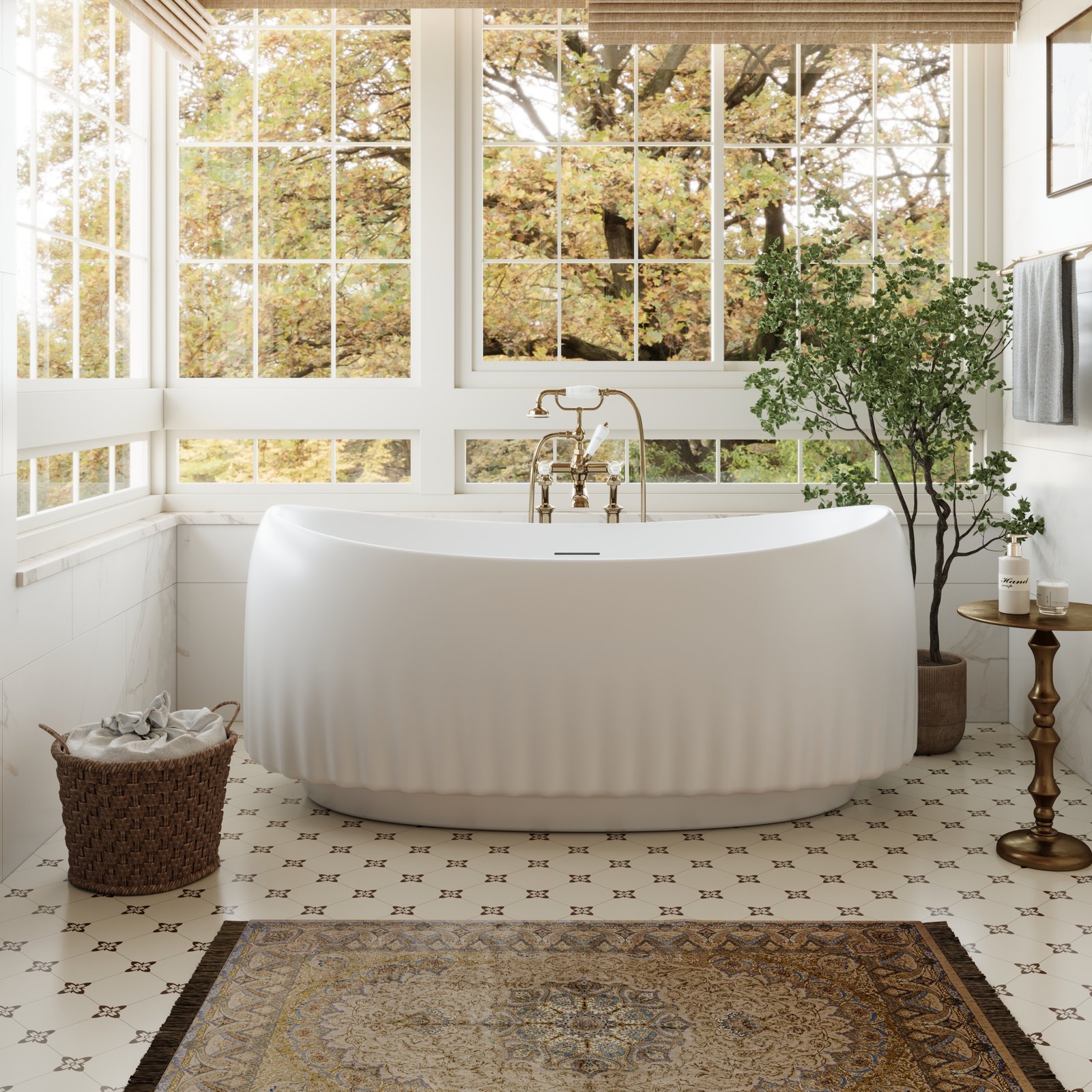
Check the Bathtub Size
One of the first things to consider before buying a bathtub is its size. A bathtub may look perfect in a showroom or product photo, but it still needs to fit comfortably within your bathroom.
Before choosing a model, check the bathtub's:
- Length
- Width
- Height
- Bathing depth
- Overall footprint
The right size depends on both the available bathroom space and the way you plan to use the bathtub.
For example, a larger bathtub may provide a more comfortable bathing experience, but it also requires more floor space. A compact bathtub may be more suitable for smaller bathrooms.
Always check the manufacturer's technical dimensions before placing an order.
If you are considering a freestanding model, you can also compare different freestanding acrylic bathtub designs and dimensions before choosing a suitable option.
Measure Your Bathroom Space
Knowing the bathtub dimensions is not enough. You also need to measure the space where the bathtub will be installed.
Before buying, measure:
- The available floor area
- Distance between walls
- Door and entrance clearance
- Available space around the bathtub
- Location of existing plumbing
Remember to consider how people will move around the bathtub after installation. Leaving enough space around the tub can make the bathroom more comfortable and easier to use.
For renovation projects, measurements should ideally be confirmed before ordering the bathtub.

Choose the Right Bathtub Material
Bathtubs are available in different materials, and the material can affect appearance, weight, durability, maintenance, and overall product performance.
Acrylic is one material commonly used for modern bathtub designs because it allows manufacturers to create different shapes and styles while providing a smooth finished surface.
When evaluating an acrylic bathtub, buyers should pay attention to:
- Surface appearance
- Material consistency
- Surface smoothness
- Structural reinforcement
- Overall construction
- Finishing quality
Rather than looking only at the material name, check how the bathtub is actually manufactured and reinforced.
Choose the Right Bathtub Type
Different bathtub types are designed for different bathroom layouts and installation requirements.
| Bathtub Type | Typical Application |
|---|---|
| Freestanding bathtub | Modern bathrooms, hotels, residential projects |
| Alcove bathtub | Bathrooms where the tub is installed between walls |
| Back-to-wall bathtub | Bathrooms requiring a space-efficient installation |
| Built-in bathtub | Projects with a dedicated bathtub platform or surround |
The best option depends on the bathroom layout, available space, installation method, and preferred appearance.
Before making a decision, compare the available acrylic bathtub collection to see which design fits your bathroom project.
Check the Installation Requirements
A bathtub can look simple after installation, but the installation requirements should be considered before purchasing.
Check whether the bathtub requires:
- A specific floor structure
- A specific drainage position
- Wall clearance
- Additional support
- Specific installation accessories
- Access for future maintenance
For renovation projects, it is better to confirm these details with the installer before ordering the bathtub.
This can help reduce the risk of discovering installation problems after the product has already arrived.

Check the Drainage and Plumbing
Drainage is another important detail that should be confirmed before buying a bathtub.
Depending on the bathtub design, the drain and overflow may have specific positions. These positions need to work with the plumbing arrangement in the bathroom.
Before ordering, check:
- Drain position
- Overflow position
- Drain connection requirements
- Existing plumbing location
- Access for maintenance
For custom or OEM projects, drainage and overflow specifications should be clearly confirmed between the buyer, manufacturer, designer, and installer.
Think About Comfort and Bathing Depth
A bathtub should not only look good. It should also provide a comfortable bathing experience.
When comparing different models, consider:
- Internal bathing space
- Bathing depth
- Backrest angle
- Rim shape
- Overall body position
A deeper bathtub may provide a more immersive bathing experience, while a shallower design may be easier to enter and exit.
The best choice depends on the user's needs, bathroom design, and intended application.
Consider Cleaning and Maintenance
A bathtub will be easier to maintain when its surface and design are easy to clean.
Before buying, look at the surface finish and areas where water, soap, or dirt may accumulate.
It is also useful to ask about recommended cleaning methods and which cleaning products should be avoided.
For everyday use, simple maintenance can help keep the bathtub surface looking clean and well maintained over time.
Match the Bathtub With Your Bathroom Design
The bathtub is often one of the main visual elements in a bathroom, especially when choosing a freestanding model.
Consider how the bathtub works with:
- Bathroom size
- Flooring
- Wall finishes
- Bathroom fixtures
- Mirror and vanity
- Overall interior style
For modern bathrooms, clean lines and simple silhouettes can create a more refined appearance. More distinctive shapes can become a visual focal point in larger spaces.
The goal is to choose a bathtub that fits the overall bathroom rather than selecting a product based only on its individual appearance.
Explore different freestanding bathtub designs to compare shapes, proportions, and styles for your project.
Check Product Quality Before Buying
Finally, buyers should evaluate the actual construction and finishing quality of the bathtub.
A product photo can show the overall design, but it cannot show every detail of the manufacturing process.
Depending on the product, buyers can check:
| Quality Area | What to Check |
|---|---|
| Surface | Smoothness, gloss, color consistency, visible defects |
| Dimensions | Length, width, height, bathing depth |
| Structure | Reinforcement, support, stability |
| Edges | Shape, smoothness, finishing |
| Drainage | Drain and overflow position |
| Accessories | Components, fittings, and installation parts |
For larger projects or bulk orders, buyers should also confirm product specifications and quality requirements before mass production begins.

Bathtub Buying Checklist
Before purchasing a bathtub, you can use this simple checklist to compare different products.
| Evaluation Area | Question to Ask | Status |
|---|---|---|
| Size | Does the bathtub fit the available bathroom space? | ☐ |
| Material | Is the bathtub material suitable for the intended use? | ☐ |
| Bathtub type | Does the installation style match the bathroom? | ☐ |
| Installation | Are the installation requirements clear? | ☐ |
| Drainage | Does the drain position match the plumbing? | ☐ |
| Comfort | Is the bathing depth and internal space comfortable? | ☐ |
| Maintenance | Is the bathtub easy to clean and maintain? | ☐ |
| Design | Does the bathtub match the bathroom style? | ☐ |
| Quality | Are the surface, structure, and finishing satisfactory? | ☐ |
If you are still comparing different bathtub options, you can explore our acrylic bathtub collection and compare different designs and specifications.
Conclusion
Buying a bathtub involves more than choosing a design that looks attractive. The right product should fit your bathroom, match your installation requirements, provide the comfort you need, and meet your expectations for quality and maintenance.
Before making a final decision, remember to check the bathtub size, bathroom space, material, bathtub type, installation requirements, drainage, comfort, maintenance, design, and overall product quality.
Taking the time to check these details before purchasing can help reduce installation problems and make it easier to choose a bathtub that works well for your bathroom in the long term.
If you are looking for an acrylic bathtub for a residential, hospitality, distribution, or OEM/ODM project, contact our team to discuss your requirements.
FAQ
What should I consider before buying a bathtub?
Before buying a bathtub, consider its size, bathroom space, material, bathtub type, installation requirements, drainage, bathing depth, maintenance, design, and product quality.
How do I know what bathtub size I need?
Start by measuring the available bathroom space and checking the bathtub's length, width, height, and overall footprint. You should also consider the space needed around the bathtub for comfortable use and installation.
Is acrylic a good material for a bathtub?
Acrylic is commonly used for modern bathtub designs because it can be formed into different shapes and finished with a smooth surface. However, buyers should also evaluate the product's construction, reinforcement, finishing, and overall manufacturing quality.
What type of bathtub is best for a small bathroom?
The suitable bathtub type depends on the bathroom layout and available space. Compact freestanding, back-to-wall, or alcove designs may be considered depending on the installation conditions.
Do I need to check the drain position before buying a bathtub?
Yes. The drain and overflow positions should be checked before installation to make sure they work with the bathroom's existing plumbing arrangement.
How can I check bathtub quality before buying?
Check the surface, dimensions, structure, reinforcement, edges, drainage components, accessories, and finishing. For larger orders, buyers can also request product specifications and inspection requirements before production.
Should I choose the bathtub based only on its appearance?
No. Appearance is important, but buyers should also consider dimensions, installation, material, comfort, maintenance, drainage, and product quality before making a final decision.


